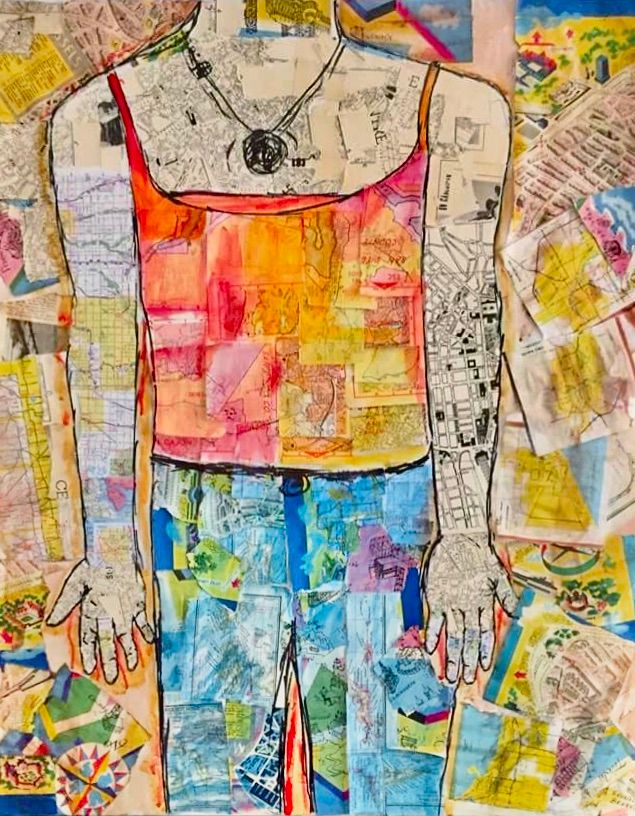
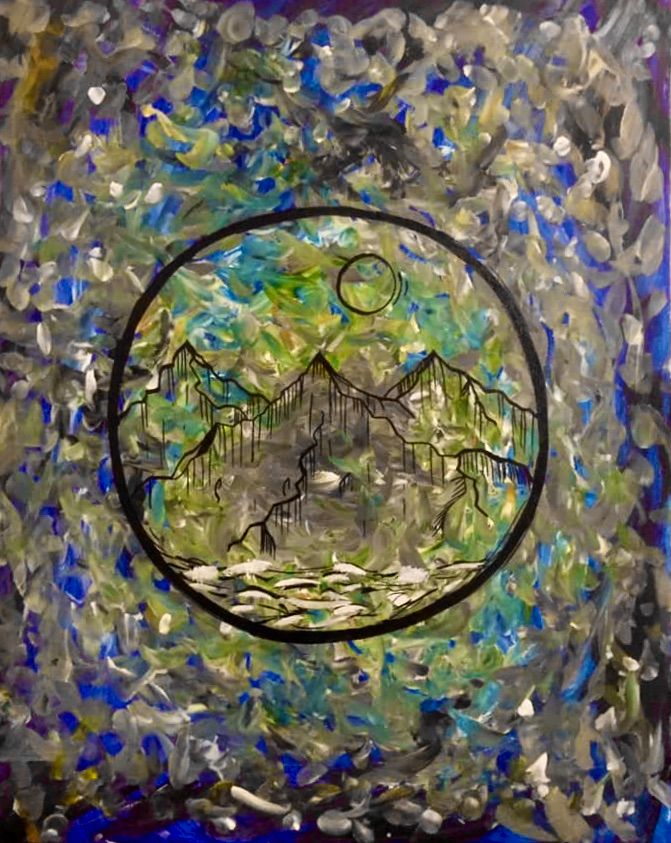
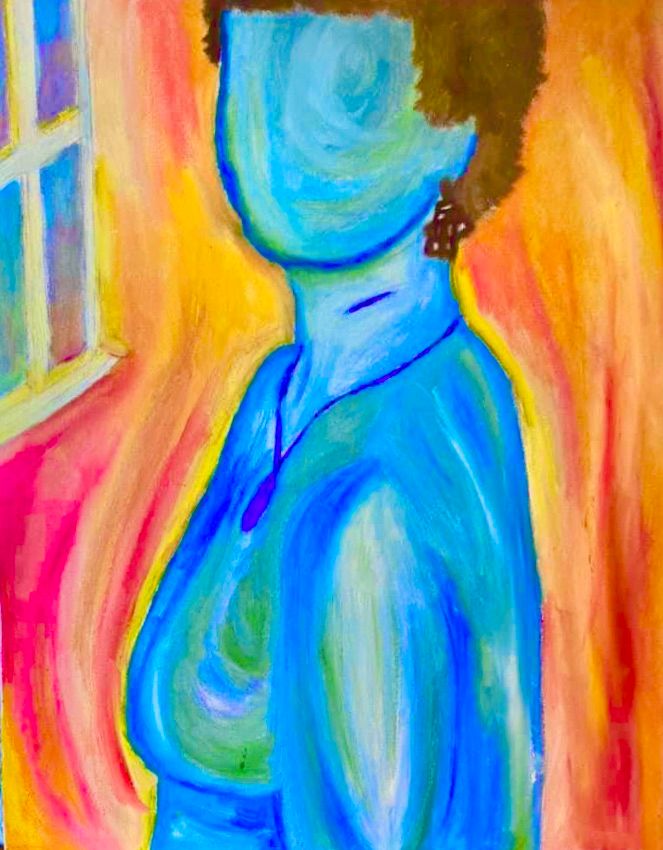
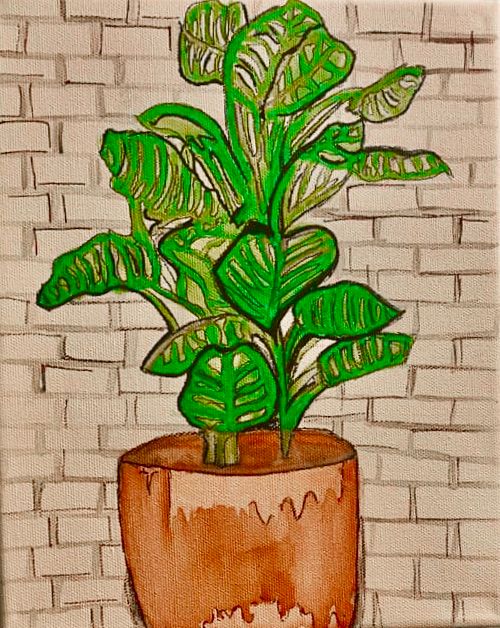
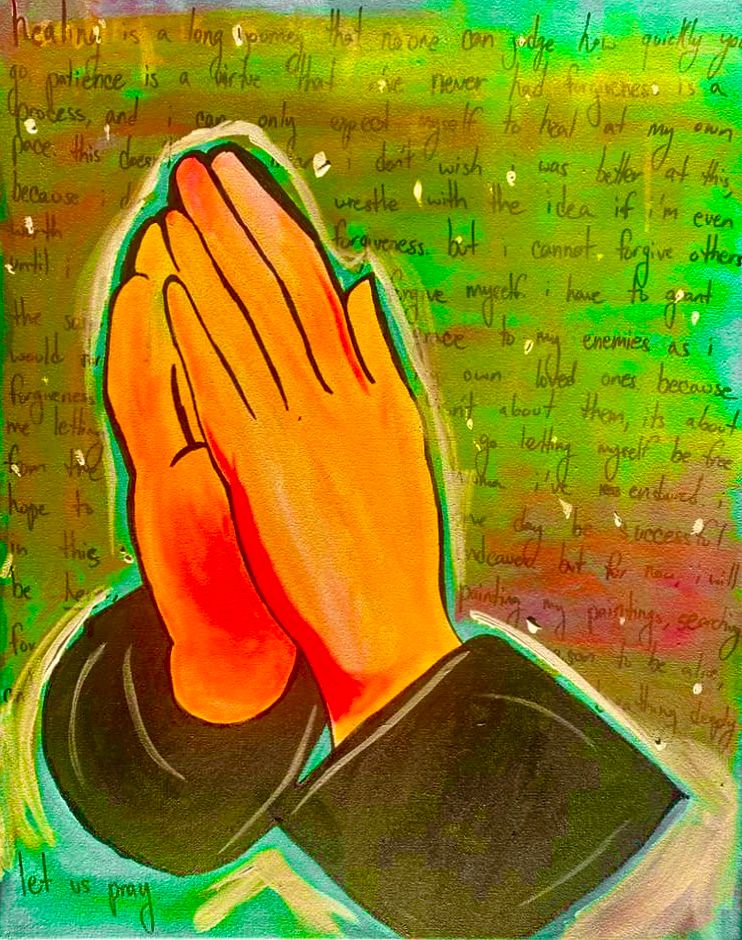
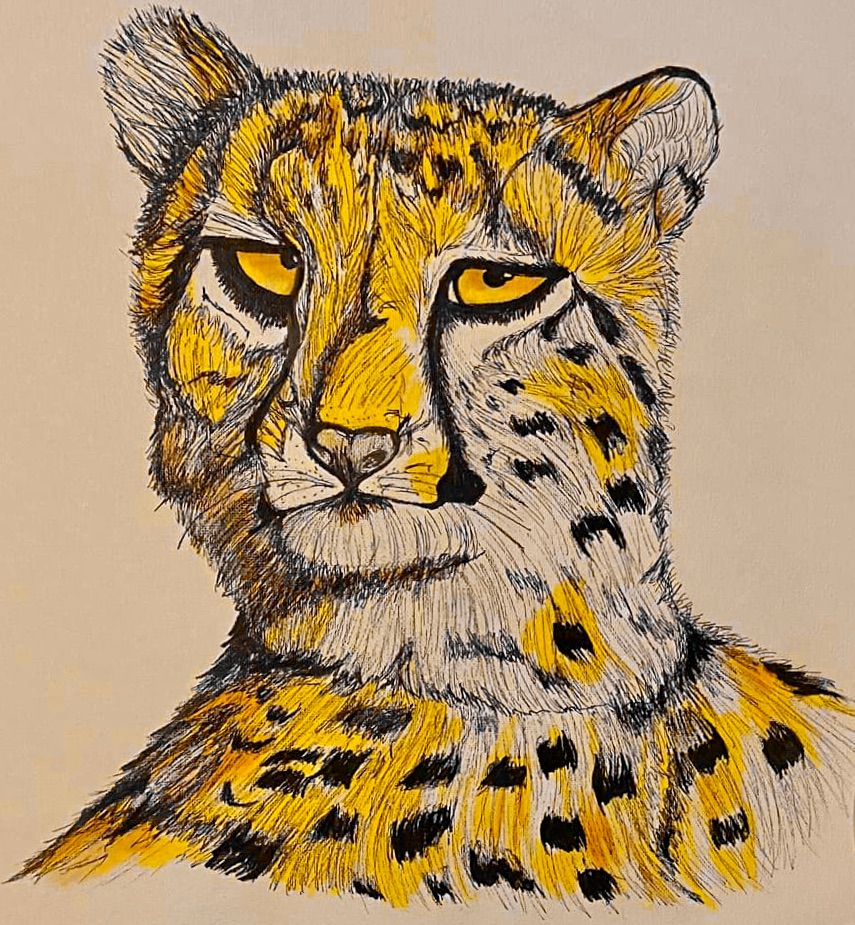
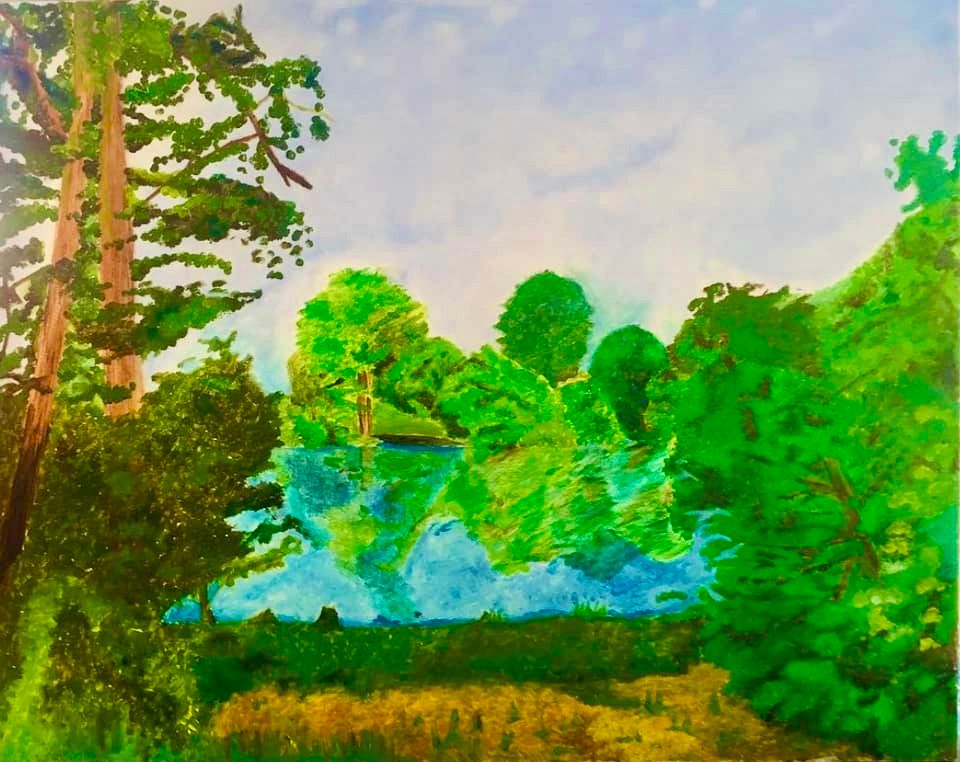
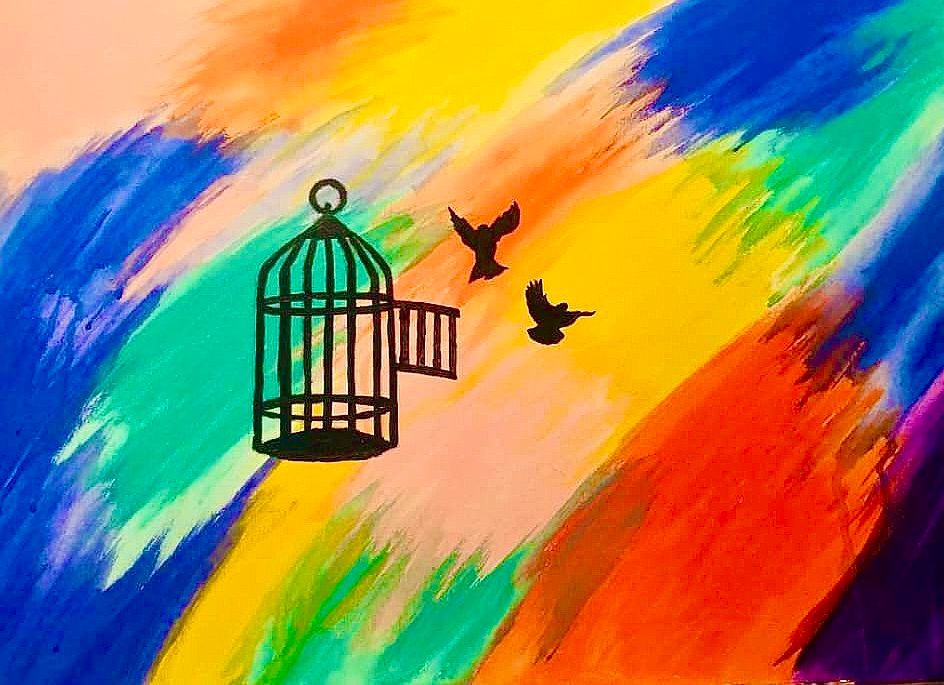
Over the years, my painting practice has taken on a fluidity of its own. I have been painting since I was thirteen years old, and am largely self taught. Previously, my practice focused on playing with saturated colors, inspiration from lighting, and natural elements.
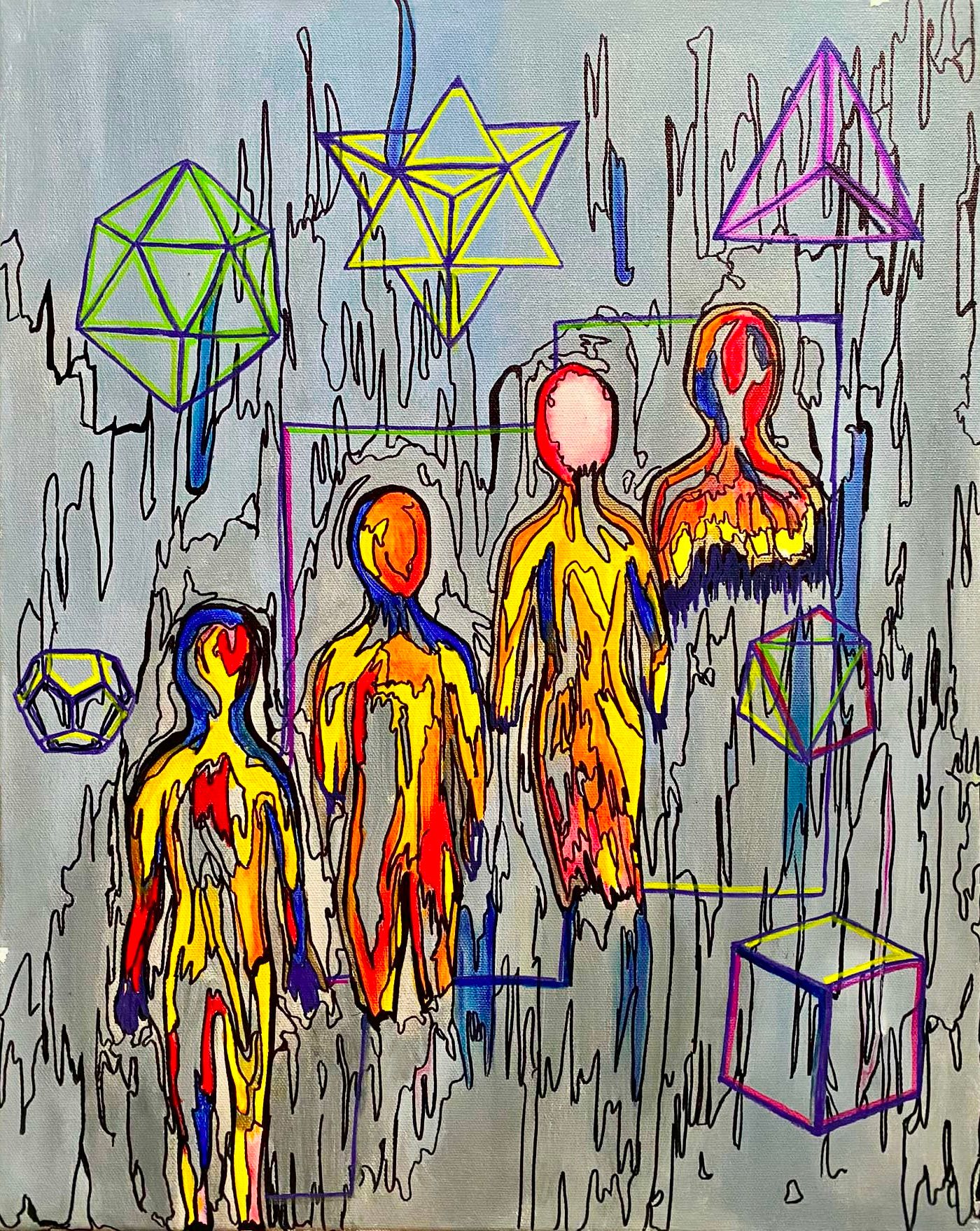
Currently in my practice, I am concerned with memory, and exploring more intense emotions through texture and form. I'm often thinking about the way a memory is laid out, and the visual iconography I can utilize to express this memory. This inspiration comes from my personal experience undergoing intense Eye Movement Desensitization and Reprocessing (EMDR), in which I go through my memories with a therapist and sit in the memory until I'm no longer desensitized. Often during these sessions, my brain produces imagery in order to help me cope with a specific memory. These images are often intentionally-and sometimes unintentionally-incorporated within my work.
Beyond direct memory, I'm interested in nostalgia, play, embodiment, and fluidity within painting. Movement is a consistent theme across my practice, often arriving within abstract shapes, swirls, etc. While I usually am trying to pin down exactly where my practice takes me, it usually eludes me.
Fingerprints
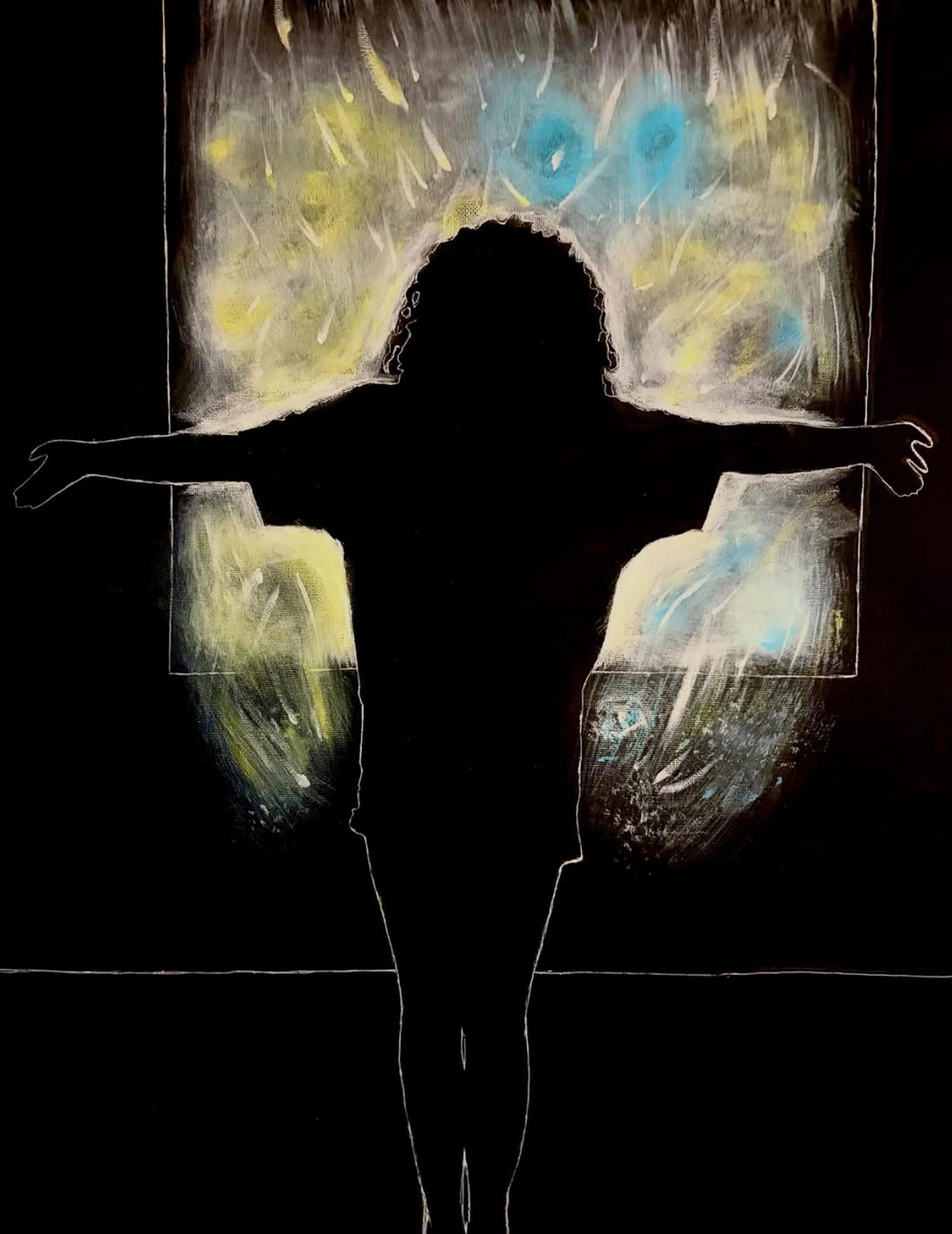
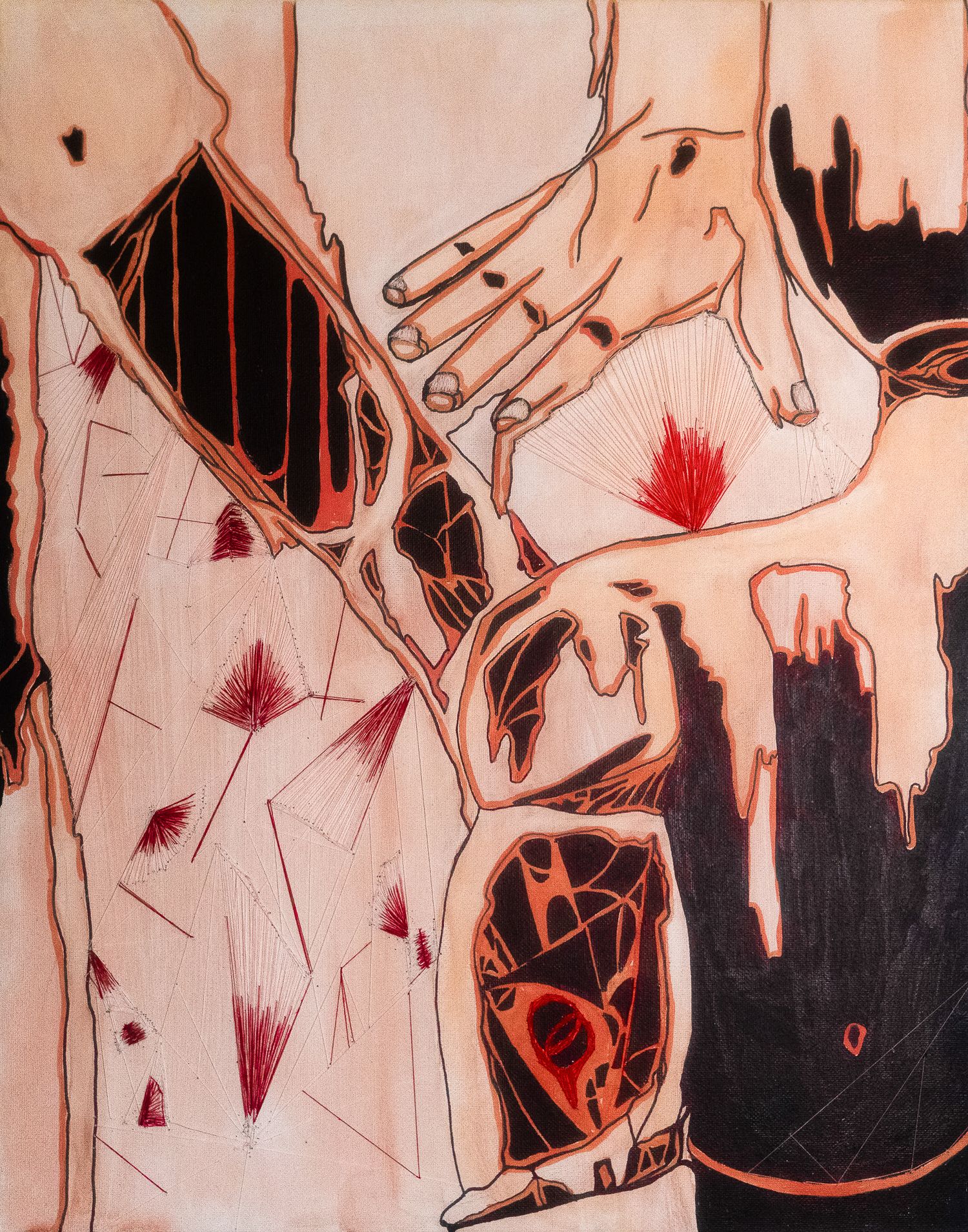
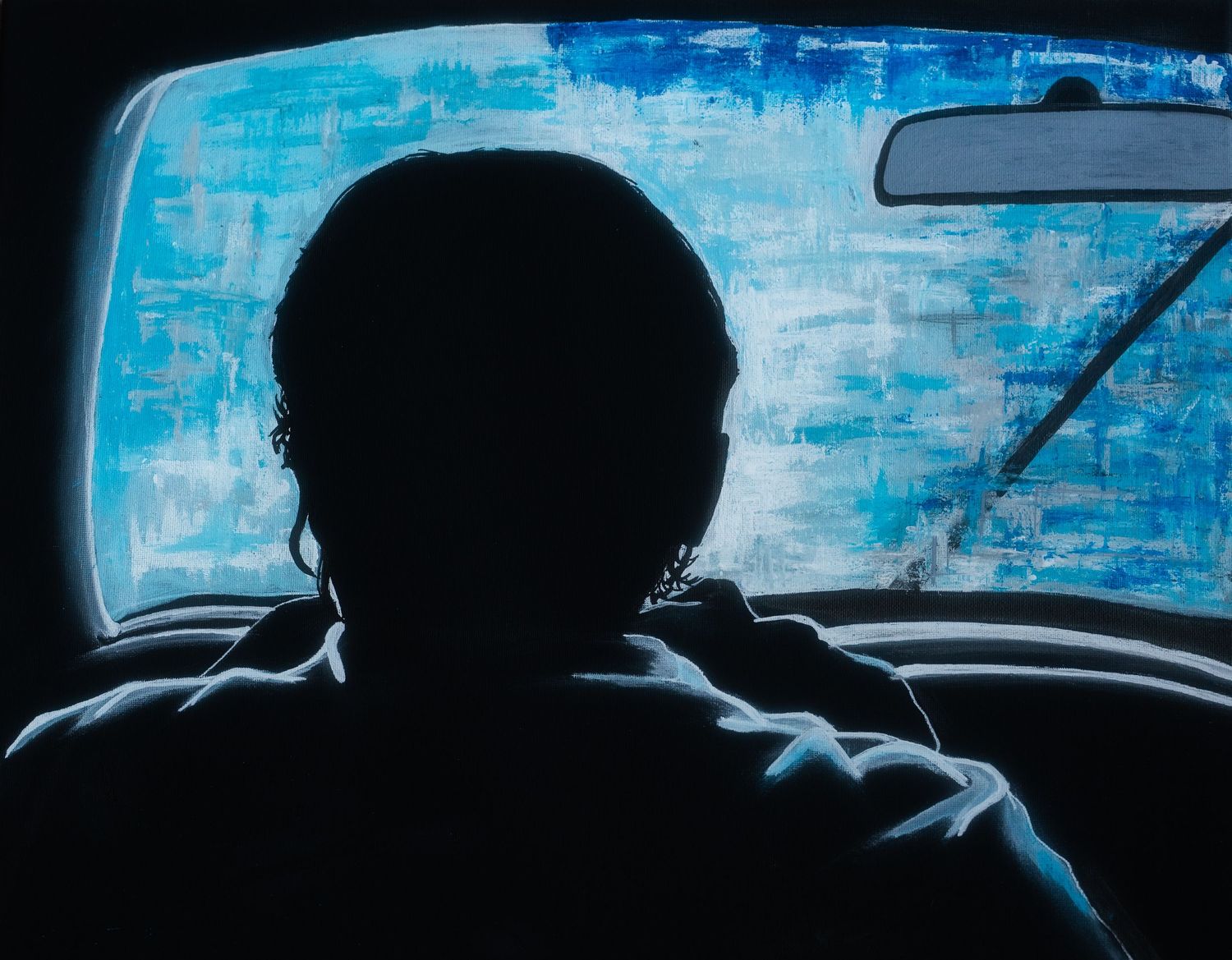
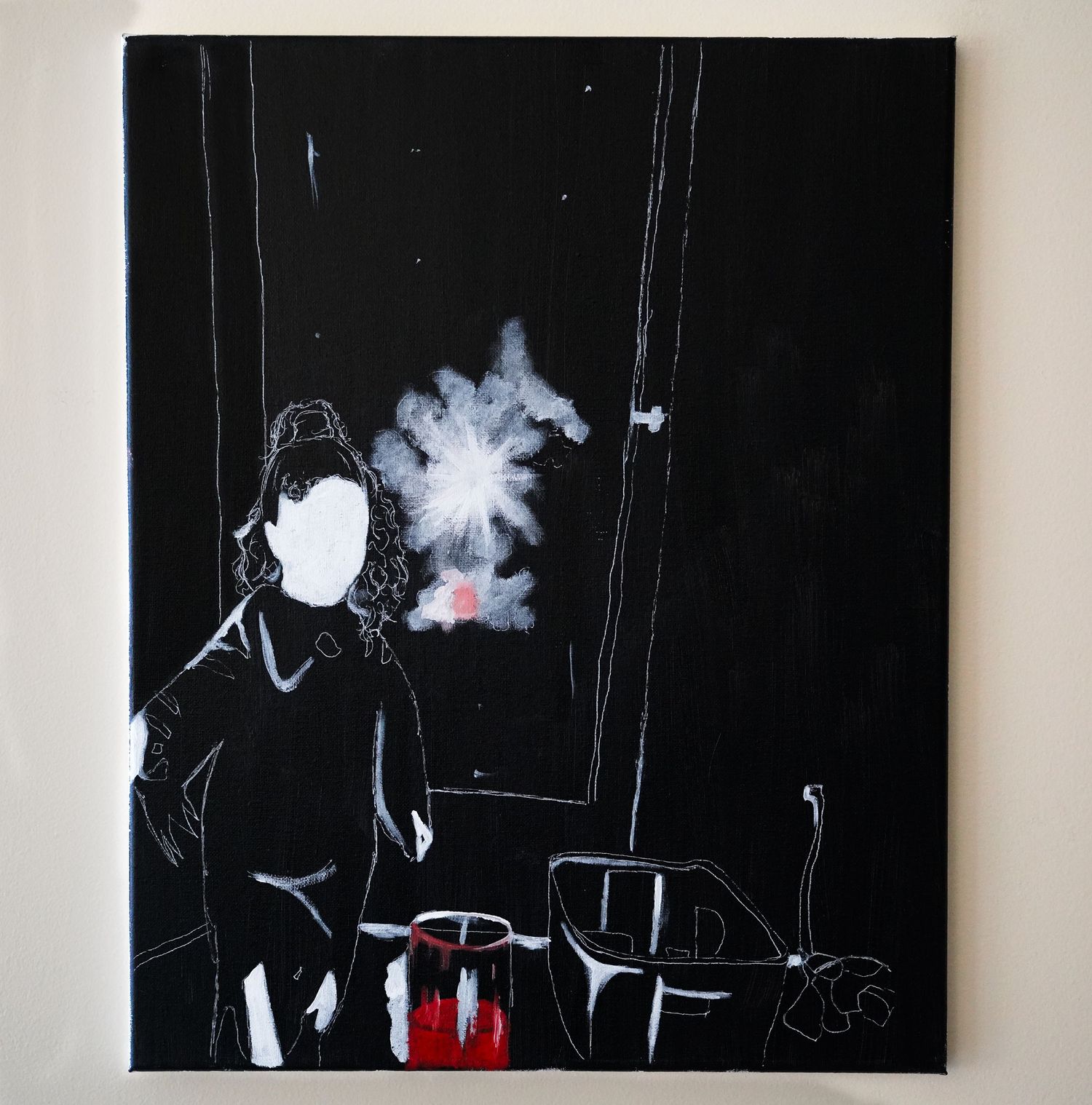
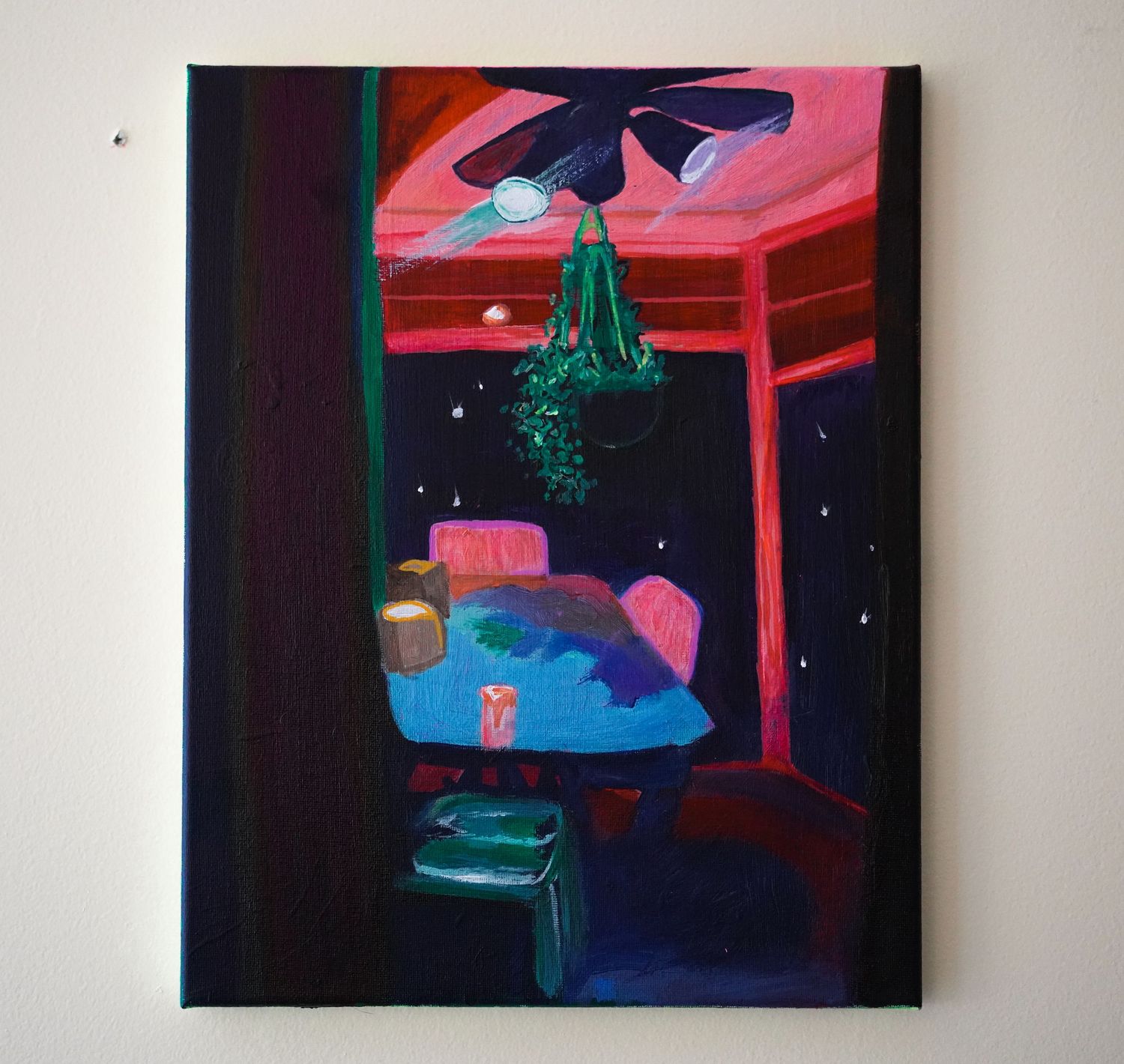
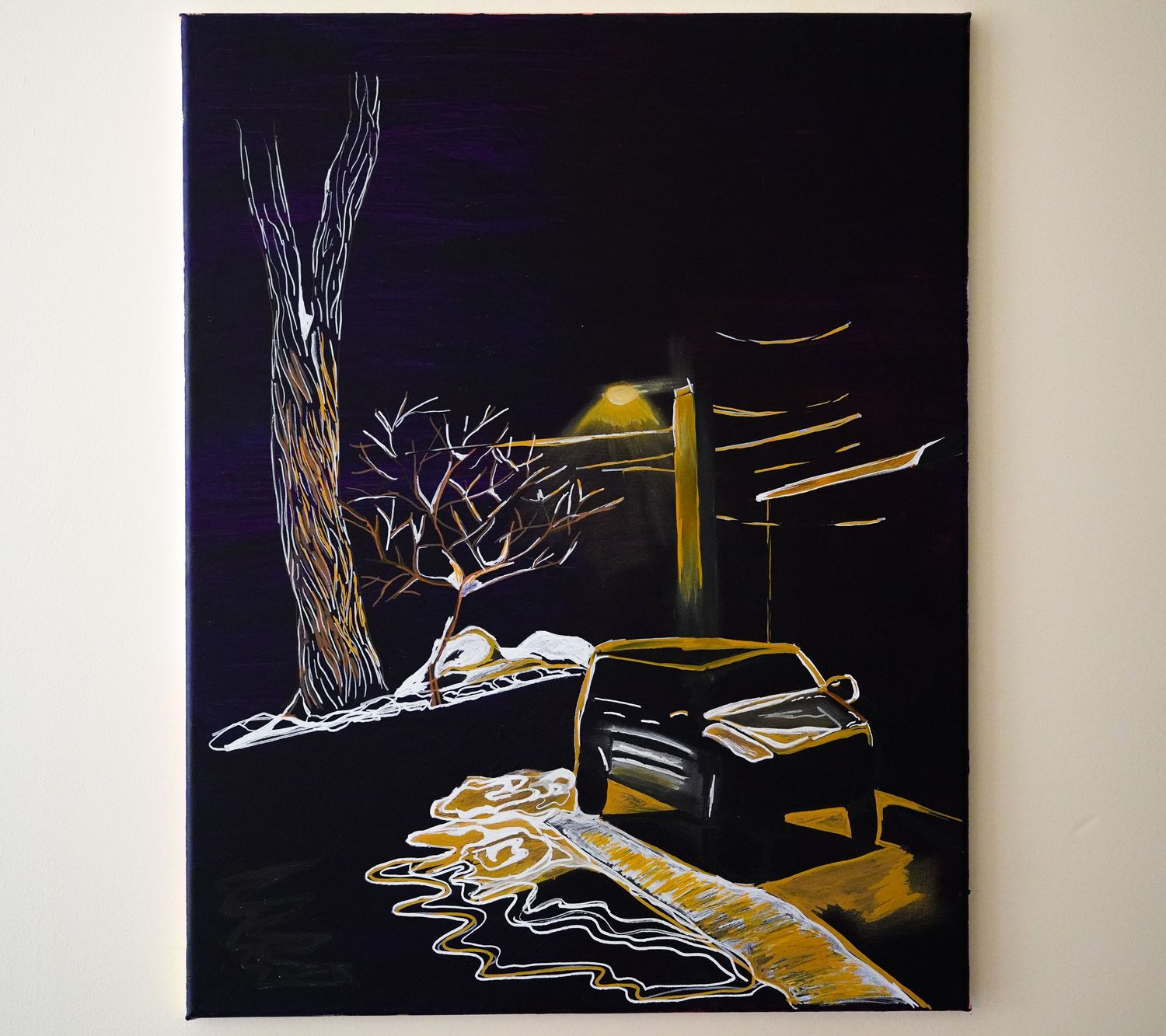
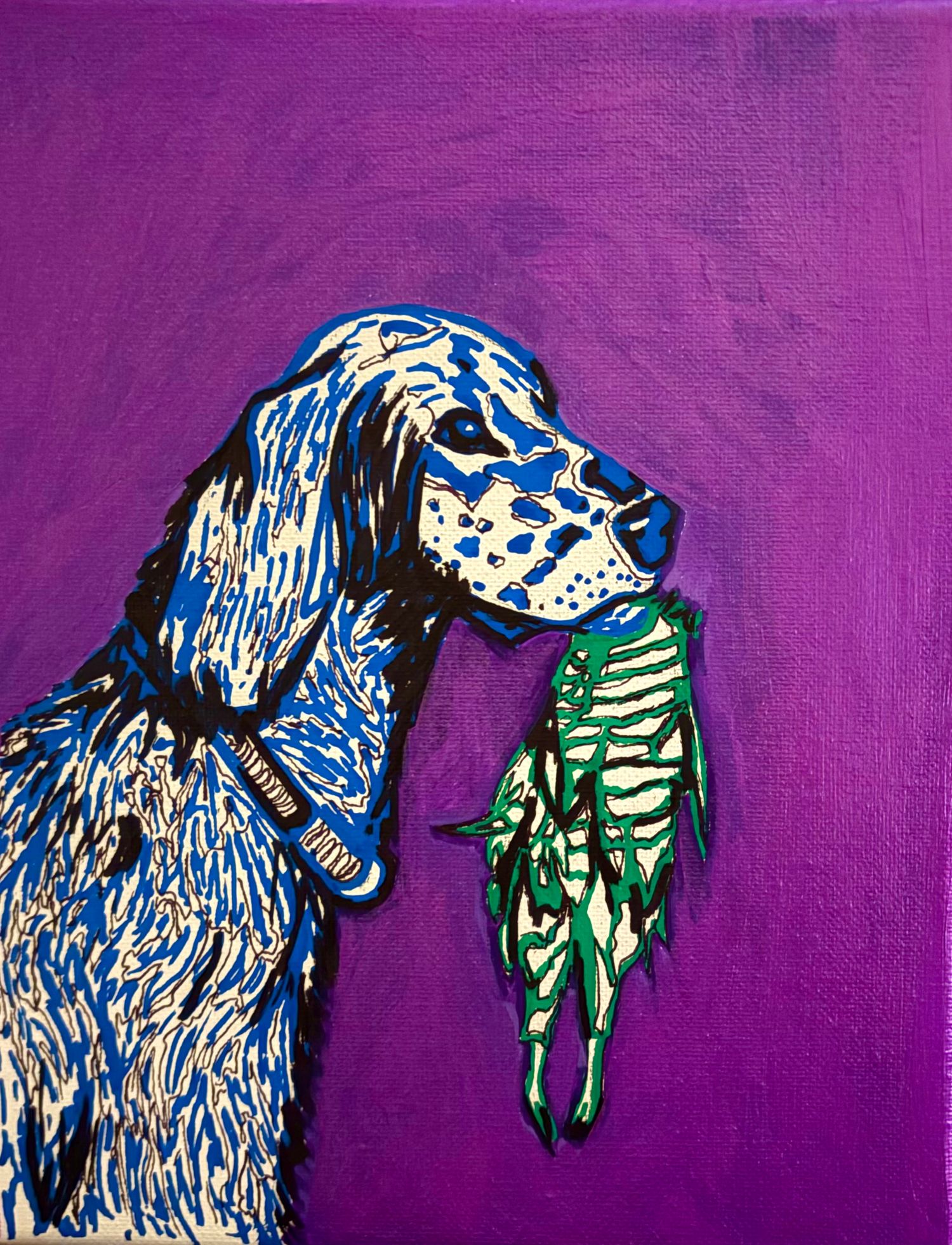
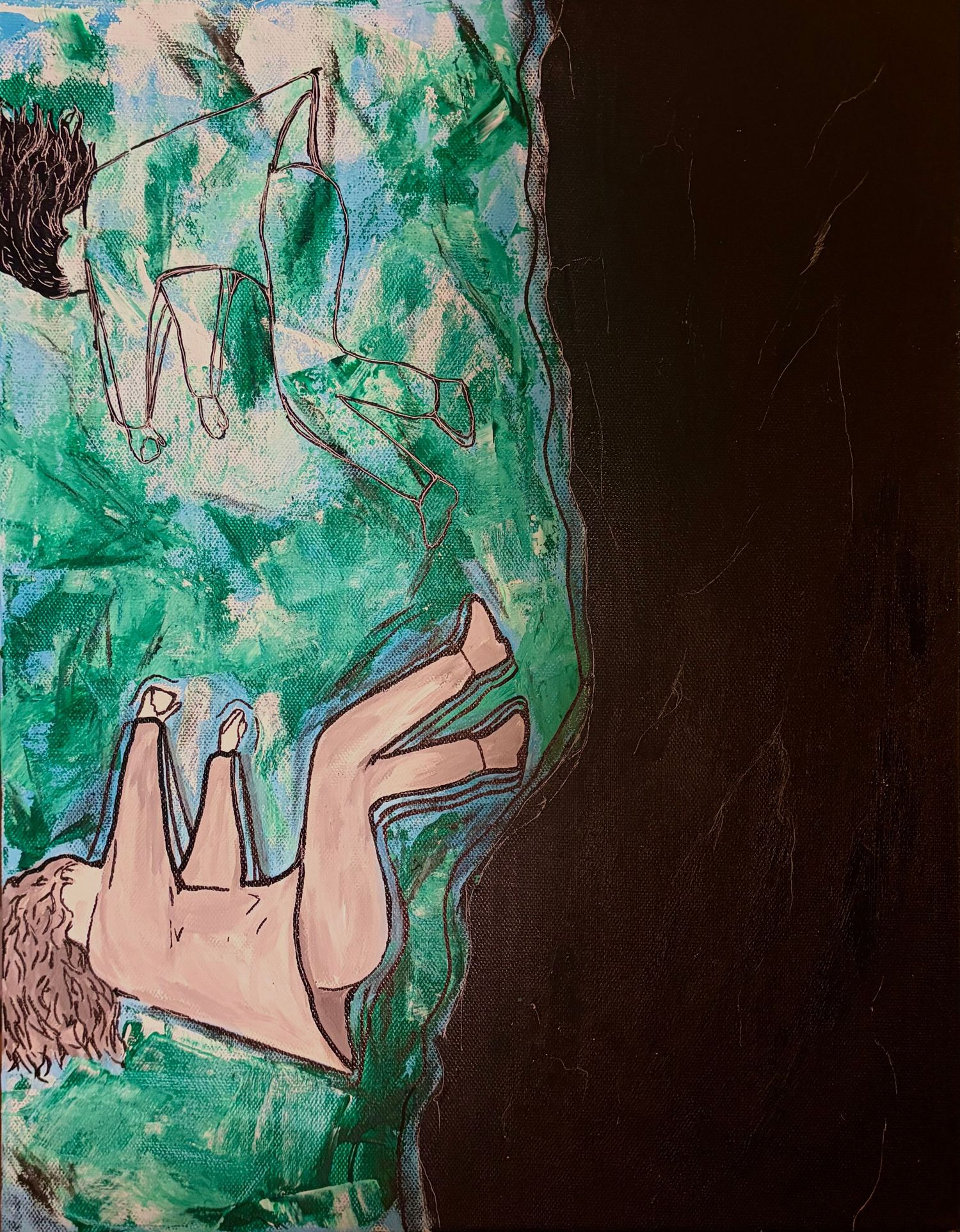
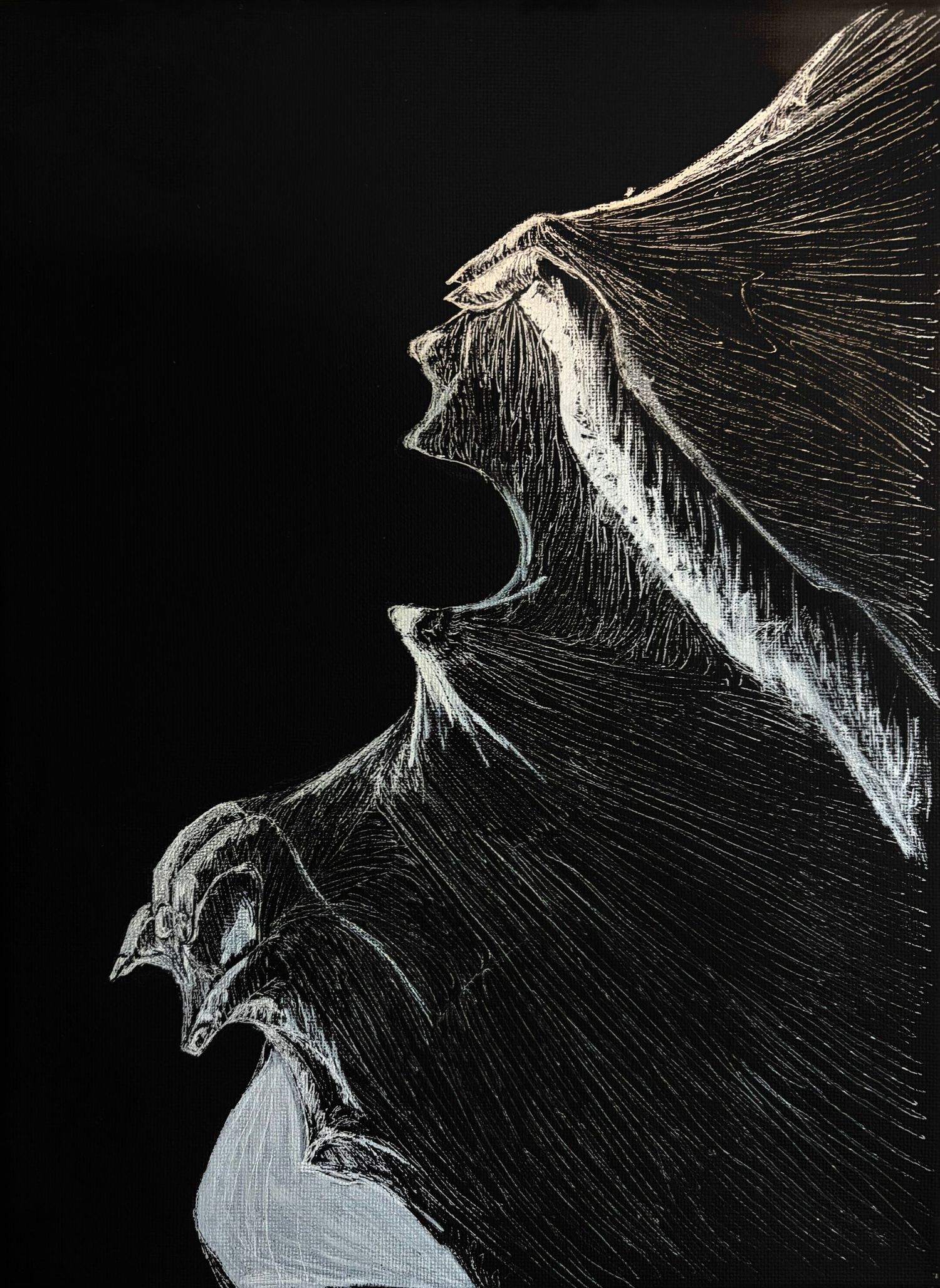
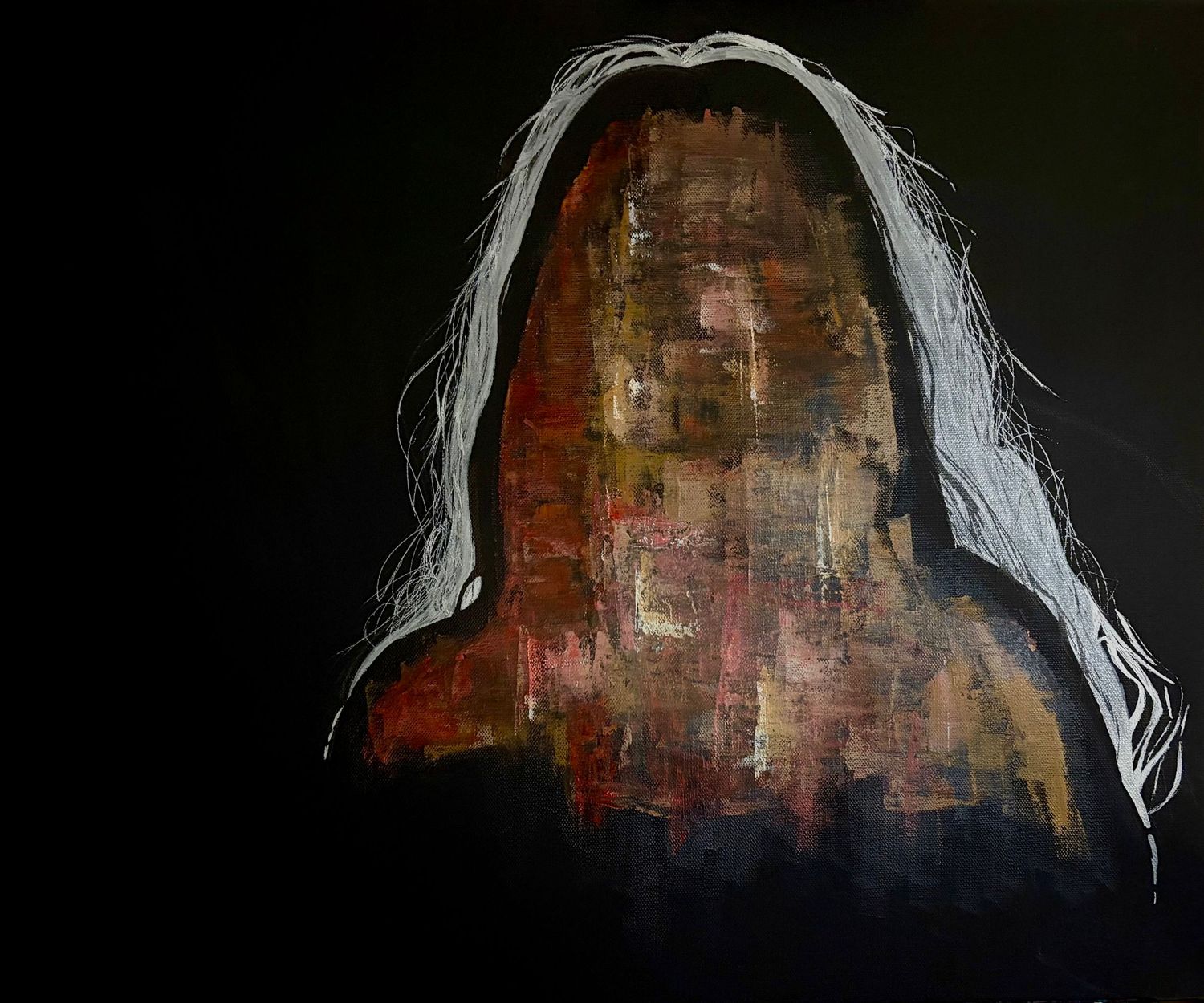
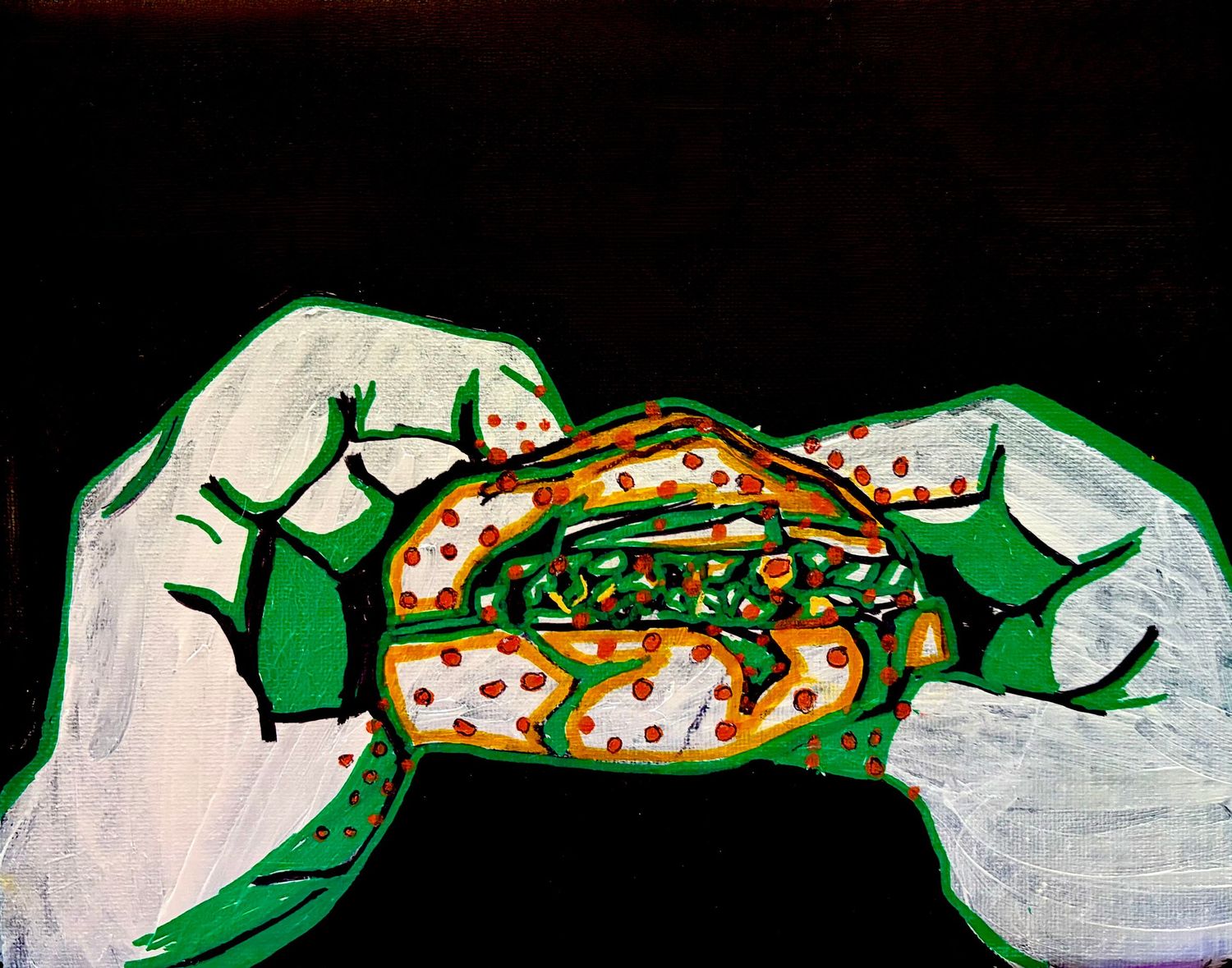
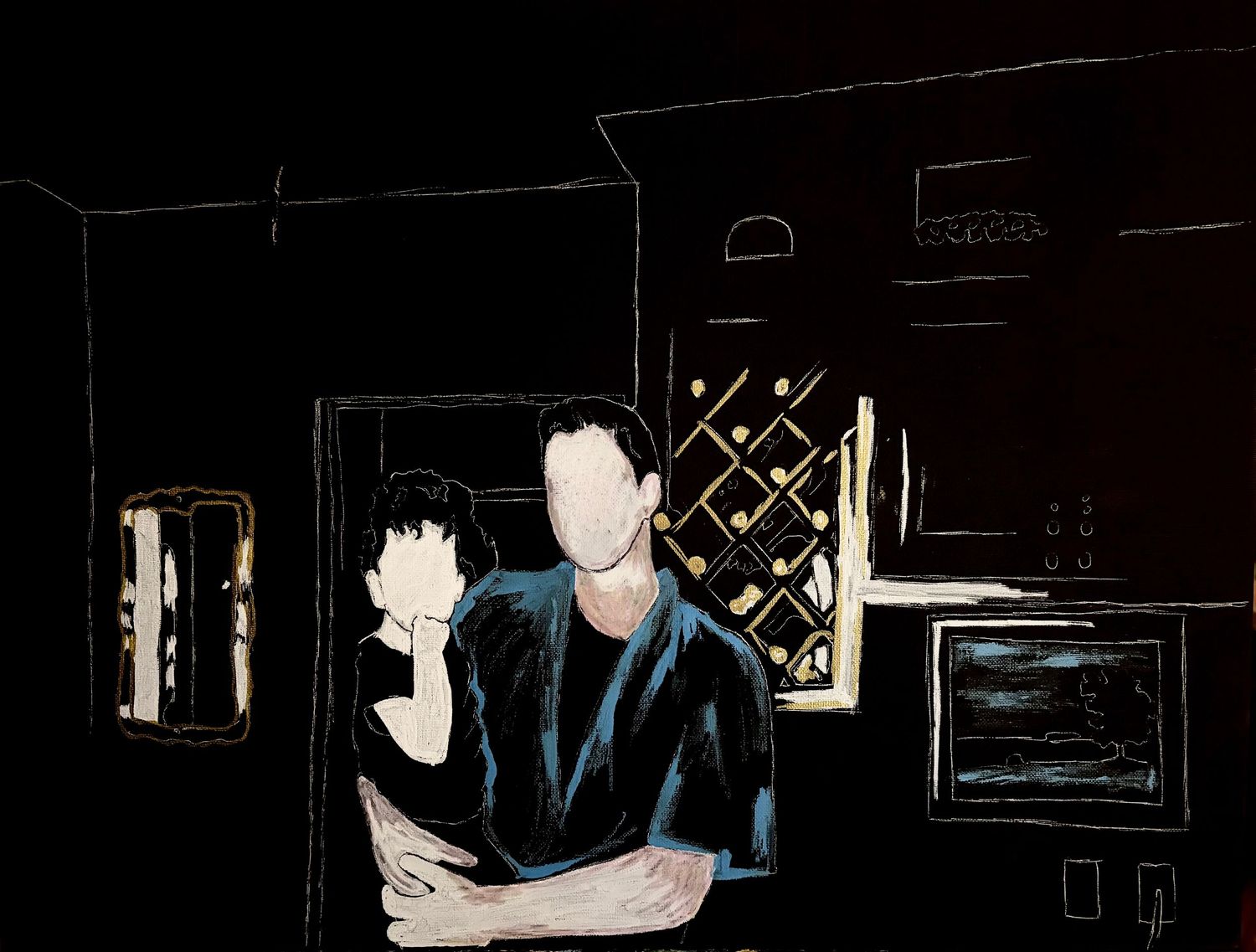
Fingerprints is an ongoing body of work, originally created at the end of 2025. Created by Chenoa Buster, this series explores memory, trauma, estrangement, and the instability of personal identity. Drawing from photographs taken throughout Buster’s life (some by her and some of her) and potent iconography, the exhibition reconstructs moments from the past and considers what is left behind after an impact is made. What remains are traces, or what Buster calls a ‘dragpath’: environments once inhabited, emotionally charged spaces, and evidence of previous presence.
Buster creates a visual estrangement between the self and memory. The paintings function less as documentation and more as psychological reconstructions, where absence becomes evidence of emotional distance and unresolved grief. Returning to childhood spaces becomes an investigation into mourning, guilt, and the lingering emotional residue attached to place. The exhibition considers how a moment can be transformative long after it passes, and how we construct our memories of it–even if inaccurately. The body of work primarily consists of acrylic paintings and paint-marker works on canvas and panel.
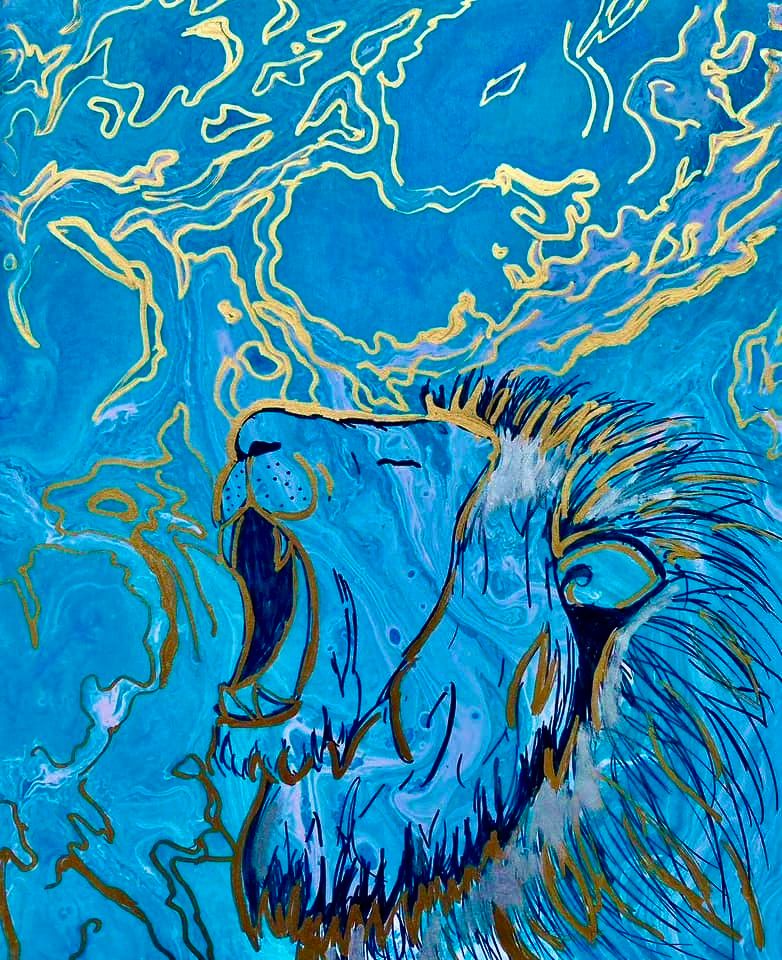
Older Works
Get in Touch
Let's Chat!